
Visual Storytelling for Social Change is a 6-week, programme for all skill levels (and none!) that uses photography as a way to explore identity, belonging, power and lived experience. It is designed for people whose stories are often overlooked, misrepresented, or difficult to express through words alone.
In a world shaped by images, this course offers a grounded, ethical approach to visual storytelling – one that centres consent, choice and collaboration rather than performance or perfection. You do not need photography experience. A phone camera is more than enough.
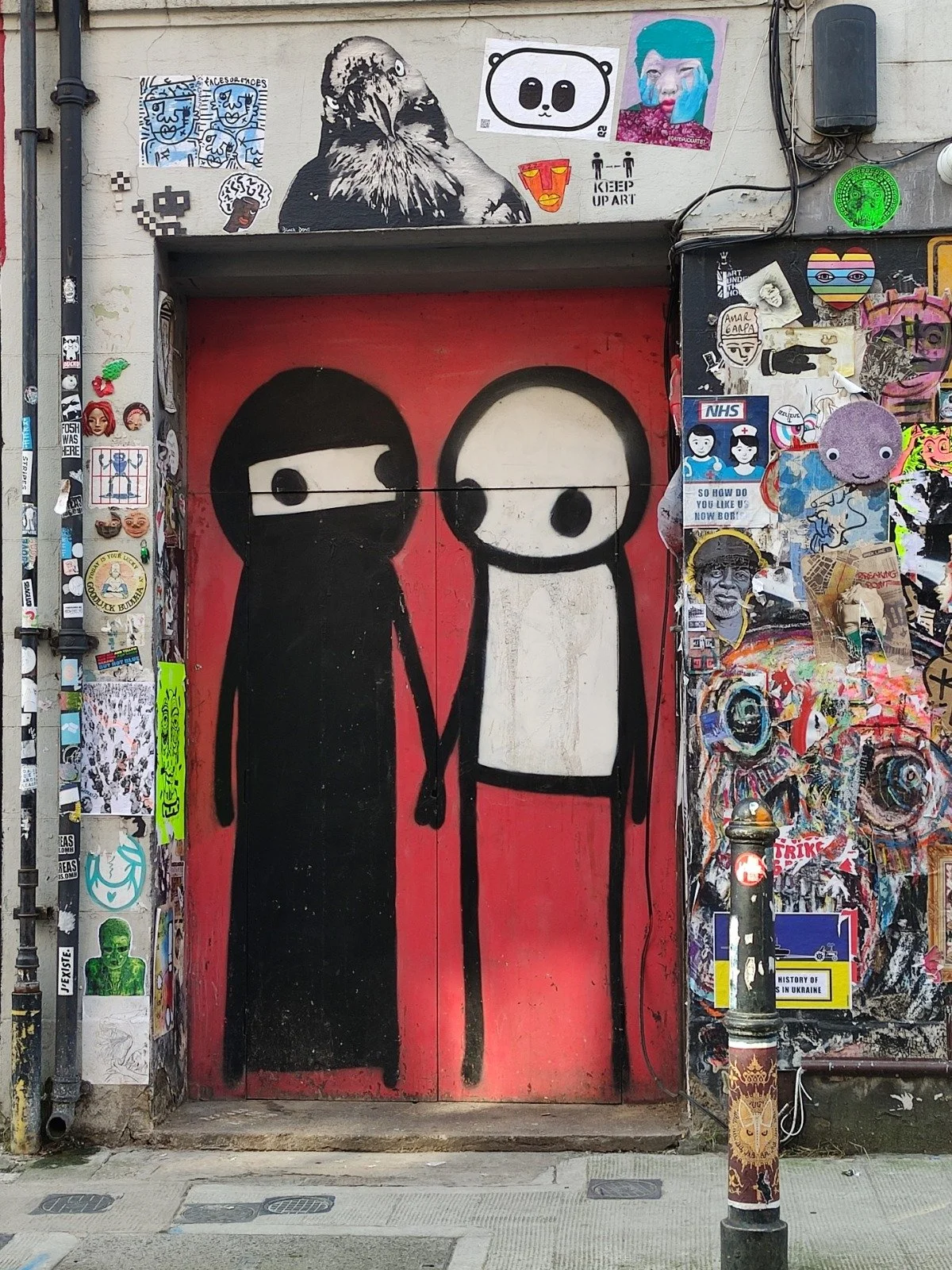
The programme is centred around:
Participant-led visual storytelling – using images to surface lived experience and challenge dominant narratives
Ethical and responsible image-making – consent, care and accountability to ourselves, communities and contexts, ownership and trauma-informed practice
Seeing power in the everyday – noticing how identity, place and inequality show up in ordinary spaces and objects
Storytelling as intervention – using images to question, reframe and disrupt taken-for-granted assumptions
Agency over voice and visibility – deciding what to share, how it is framed, and where the boundaries sit
This strand offers a visual approach to storytelling, grounded in reflection, dialogue and shared learning.
What will you learn?
This programme focusses on photography as a medium to explore experience, meaning and social change, using everyday images and guided reflection, rather than technical training. It is therefore not a photography course, but a storytelling course using photography.
• How to use photography as a way of exploring experience, meaning and perspective
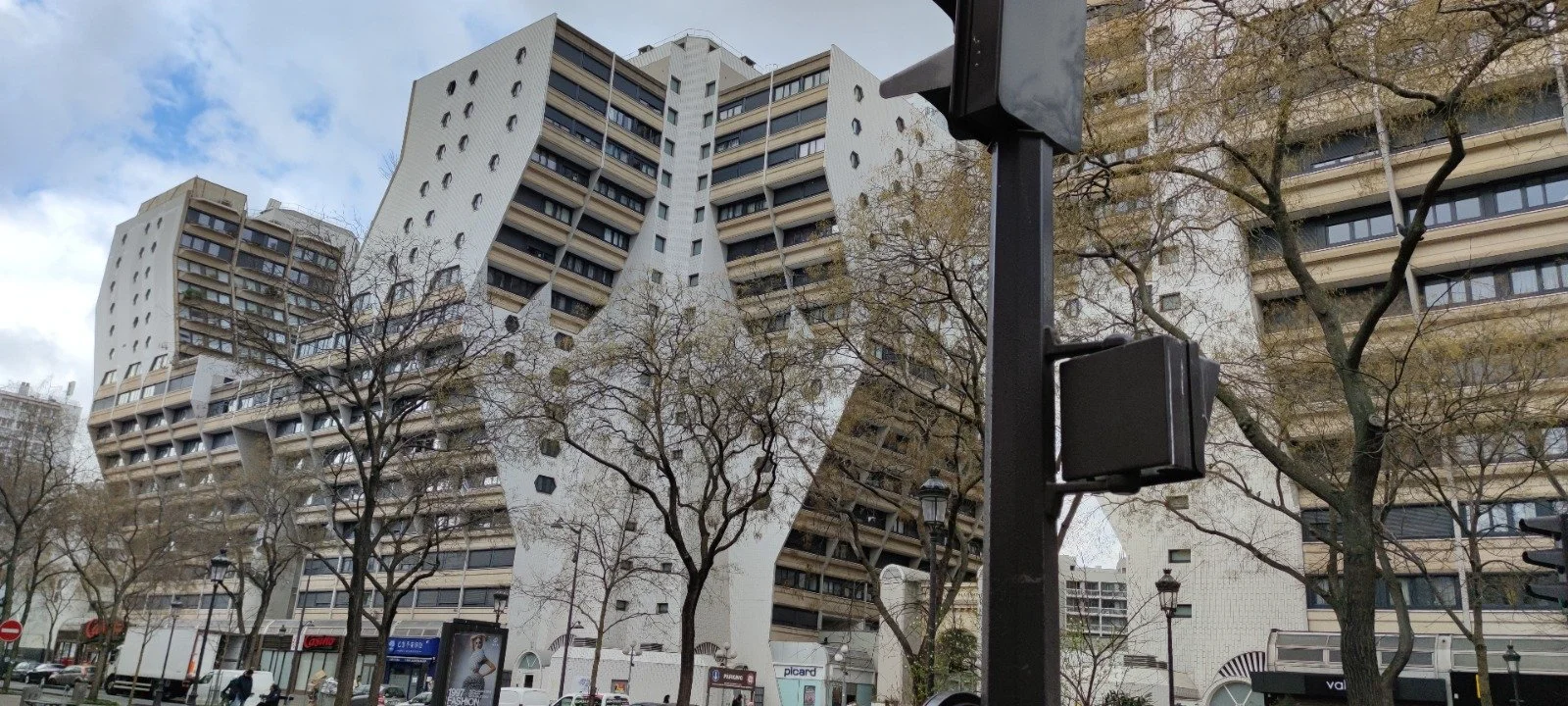
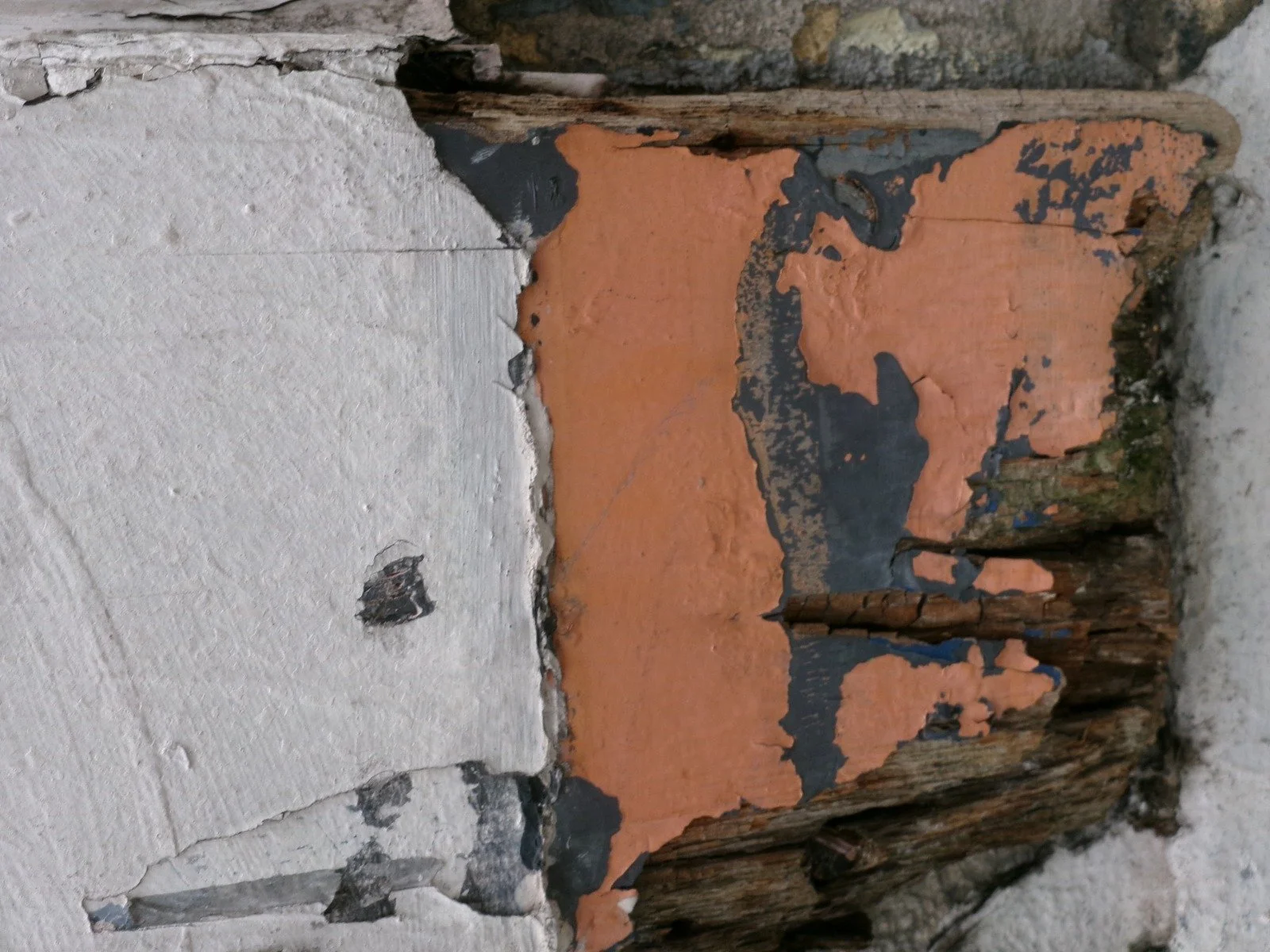
• How to notice and work with everyday images, objects and places
• How to connect images to stories through captions, audio or short reflections
• How to explore themes such as identity, belonging and power visually
• How to prepare images for sharing, while making thoughtful choices about consent and anonymity
• How visual stories can open up dialogue and challenge assumptions
Week-by-week overview
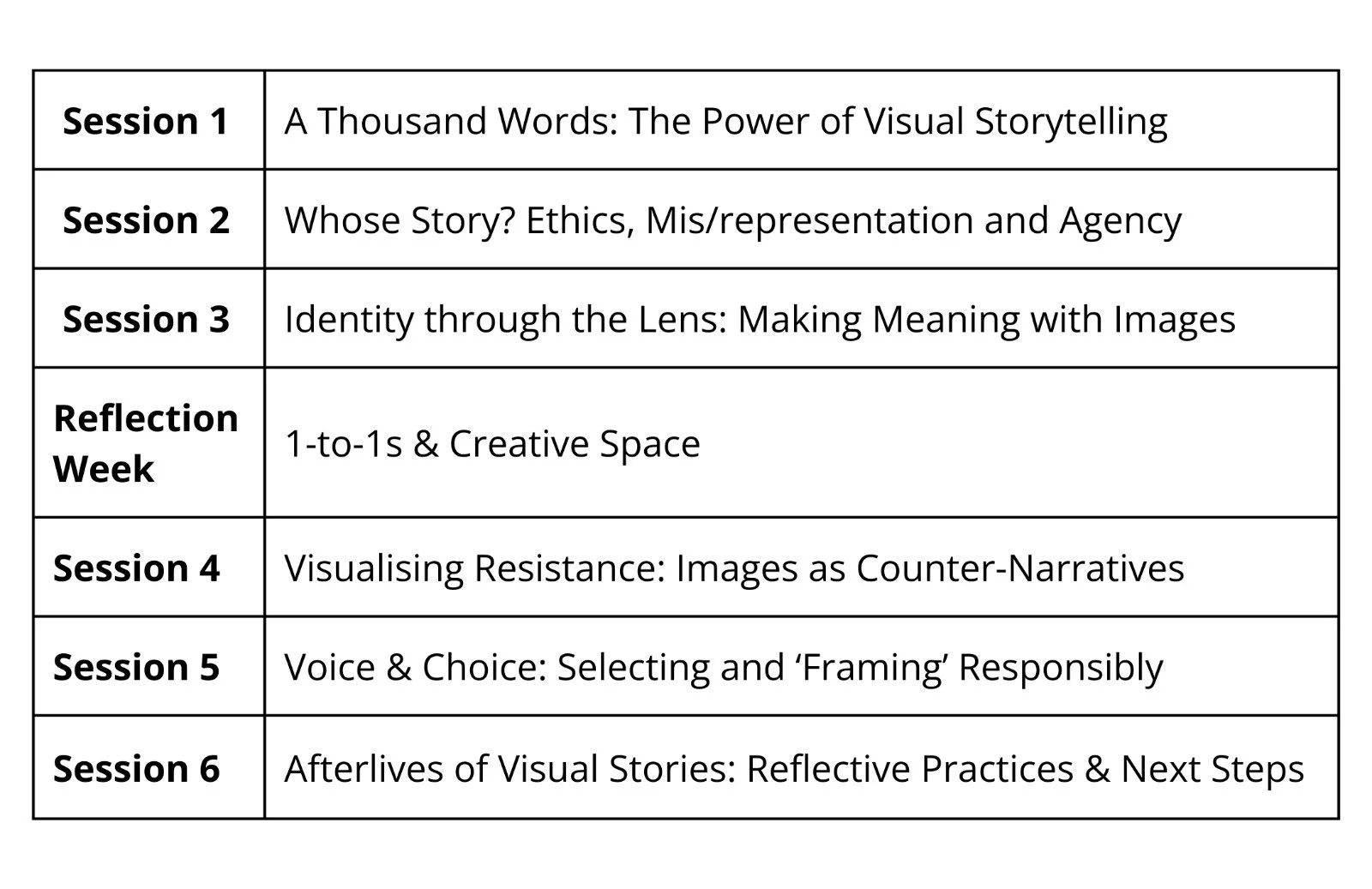
What is the cost?
The standard price for this programme is £250 for the full six-week programme (18 hours).
We recognise that financial circumstances vary widely across and within countries. To support access, participants are invited to select the payment option that best reflects their situation, including reduced-cost, access and fully subsidised places. This programme operates on a trust-based model. All choices are respected.
£300 – Solidarity rate: For participants who are able to contribute more and help subsidise others
£250 – Standard rate: For participants who are able to pay the full cost
£125 – Reduced rate: For participants on low incomes or with limited financial flexibility, due to e.g. socio-economic, health, family, gender or geographic reasons
£25 – Access rate: For participants facing significant financial barriers
£0 – Fully subsidised place: For participants for whom payment is not possible
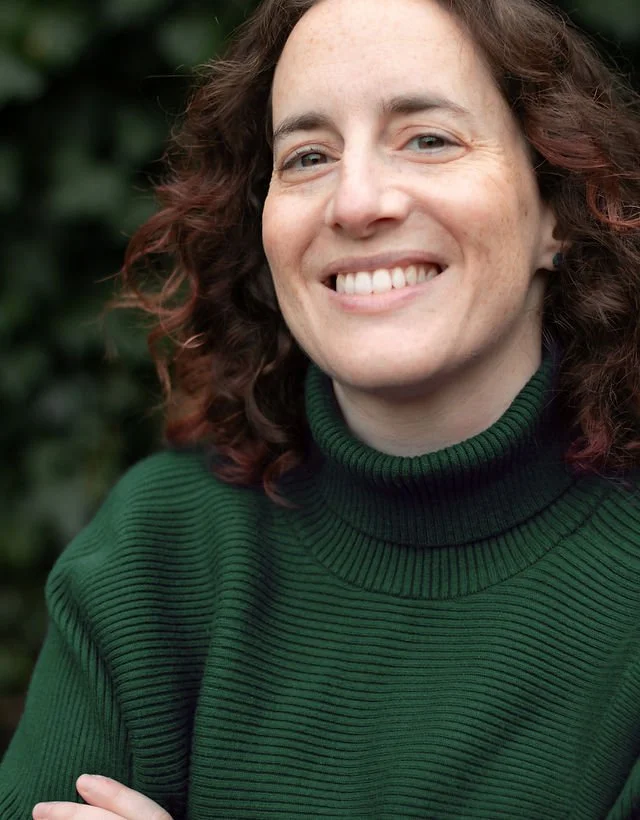
Dr Daniella Shaw is a sociologist with a PhD in community, diaspora and belonging. She is a community engagement specialist, accredited coach and certified trauma-informed facilitator with over twenty years’ experience working across intercultural understanding, inclusion and social justice. Her work centres communities whose voices are often marginalised or misrecognised, including refugees and asylum seekers, LGBTQ+ communities, minority faith groups, disabled and neurodiverse people, and racially and socio-economically excluded populations.
She currently leads in-person photography-based projects in cities including Liverpool and London, using participatory visual methods to explore identity, place and belonging. As Founder and Lead Facilitator of Visual Storytelling for Social Change, Daniella brings together ethical image-making, participant-led learning and a strong commitment to storytelling that moves beyond words.
Values & Ethics
Visual Storytelling for Social Change is grounded in trauma-informed and ethical visual practice.
Participants retain control over their images at all times, including decisions about what to share, how images are contextualised, and whether work is made public.
Options for anonymity and non-disclosure are built into the programme, and no participant is expected to share images they are not comfortable sharing.
The programme prioritises consent, respect and responsibility when working with visual material, particularly where images relate to personal experience, identity or sensitive social contexts.